Aging is a natural part of life, yet for many men, it can bring changes they never quite expected. While wrinkles, gray hair, and slower metabolism are often discussed openly, other aspects of men’s health are still surrounded by silence and misunderstanding. Many of these changes are completely normal, but understanding what’s happening inside the body — and how to respond — can make all the difference in maintaining vitality and well-being later in life.
The Natural Course of Aging in Men
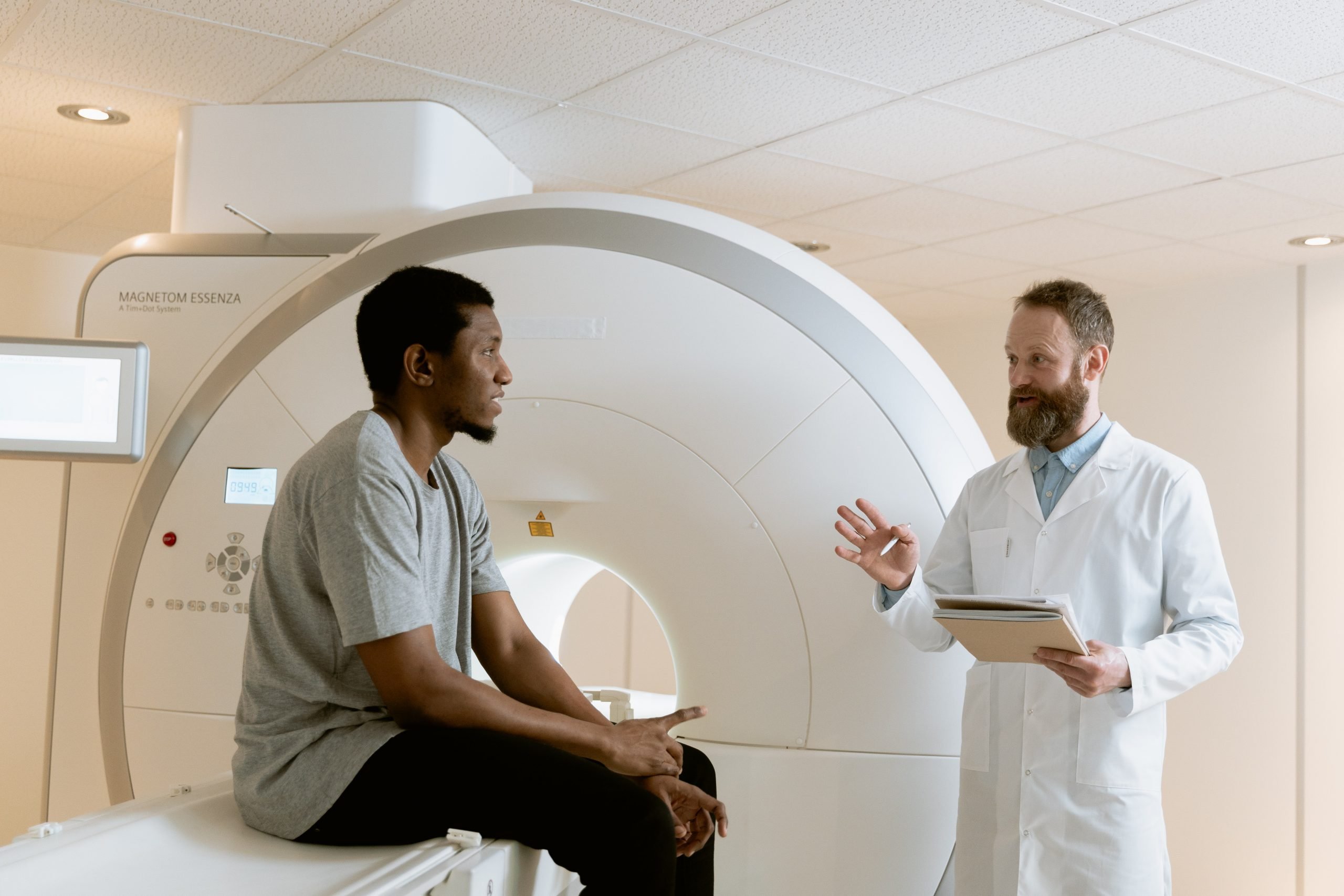
According to the National Institute on Aging (NIA), the male body begins to change gradually after the age of 30. Some of these changes are visible — such as thinning hair and reduced muscle mass — while others are more subtle, including shifts in hormone levels, metabolism, and cardiovascular health.
Doctors emphasize that aging itself is not a disease. Instead, it’s a biological process influenced by genetics, lifestyle, nutrition, and physical activity. With proper care, many men can remain active, healthy, and mentally sharp well into their later years.
1. Hormonal Changes: The Gradual Decline
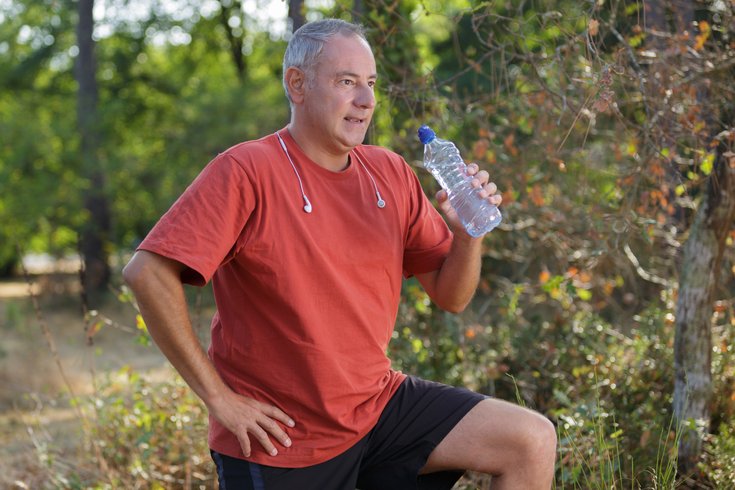
One of the most common changes men experience as they age involves hormone levels, particularly testosterone. According to Harvard Health Publishing, testosterone levels typically decrease about 1% per year after age 30. This slow decline, sometimes referred to as “andropause,” may cause mild symptoms such as lower energy, mood shifts, or reduced muscle strength.
However, experts caution that not every man will feel a significant difference. The Mayo Clinic notes that testosterone replacement therapy is not recommended for everyone and should only be considered under medical supervision when clinically necessary. Regular exercise, maintaining a healthy weight, and adequate sleep can help support natural hormone balance.